Wardrobing: The Hidden Cost of “Try and Return” Culture
Wardrobing is a form of retail fraud that’s quietly costing businesses billions each year.
January 31, 2026 17:53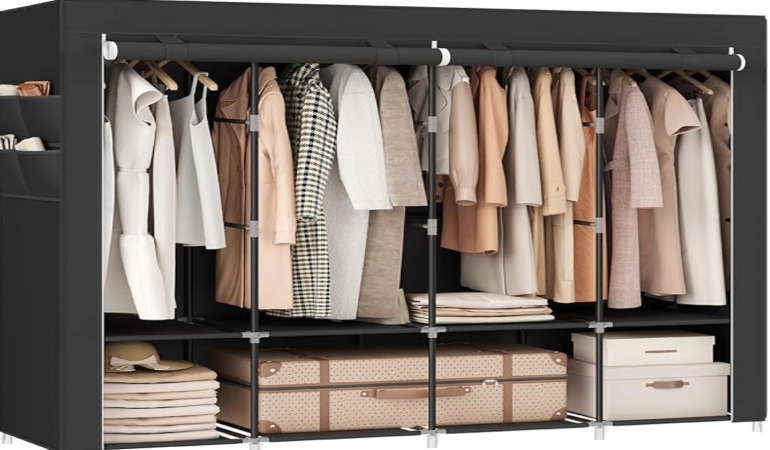
While many shoppers see it as harmless, wardrobing has serious consequences for retailers, employees, and even honest customers.
What Is Wardrobing?
Wardrobing happens when a customer buys an item—usually clothing or accessories—uses it for a short period, and then returns it for a full refund while claiming it was never worn. Common examples include:
Buying an outfit for a wedding or party, then returning it the next day
Wearing shoes outdoors and returning them after light use
Removing tags temporarily and reattaching them before returning
Unlike legitimate returns, wardrobing involves deliberate deception.
Why Do People Wardrobe?
Several factors contribute to the rise of wardrobing:
Lenient return policies
Many retailers offer extended or “no-questions-asked” returns to stay competitive, making abuse easier.Social media pressure
The demand to look perfect for photos—often worn once and never again—encourages short-term use.Economic pressure
Some consumers justify wardrobing as a way to save money during financially difficult times.Low perceived risk
Many people assume retailers “won’t notice” or can absorb the loss.
The Real Impact on Retailers
Wardrobing is far from harmless. Its effects ripple through the retail ecosystem:
Financial losses: Returned worn items often can’t be resold at full price—or at all.
Higher prices: Losses are frequently passed on to honest customers through increased prices.
Employee strain: Staff must inspect returns, handle disputes, and enforce policies—often facing customer backlash.
Environmental waste: Many returned items end up in landfills due to hygiene or resale restrictions.
In the UK alone, returns fraud—including wardrobing—accounts for a significant portion of retail shrinkage each year.
How Retailers Are Fighting Back
To reduce wardrobing, retailers are adopting smarter strategies:
Return tracking systems that flag repeat offenders
Shorter return windows for high-risk items
Tamper-proof tags that must remain attached for a return
Final-sale policies on occasion wear or special events clothing
Clearer return terms displayed at checkout
Some stores may even ban customers who repeatedly abuse return policies.
Is Wardrobing Illegal?
In many cases, yes. Wardrobing can be considered fraud, as it involves intentionally misrepresenting the condition of an item for financial gain. While prosecutions are rare for small cases, repeat or high-value offenders can face store bans, account closures, or legal action.
Ethical Shopping Matters
At its core, wardrobing raises ethical questions. Return policies are designed to protect customers—not to be exploited. When abused, they harm businesses, workers, and other shoppers.
A more sustainable alternative includes:
Renting outfits for special occasions
Buying second-hand clothing
Reselling worn items online
Choosing versatile pieces that can be worn multiple times
Final Thoughts
Wardrobing may seem like a victimless shortcut, but its impact is real and growing. As retailers tighten policies and technology improves, the risks for consumers increase—while the ethical cost remains high.
Responsible shopping doesn’t just support businesses; it helps maintain fair prices, reduce waste, and create a more sustainable retail environment for everyone.
User Comments (0)




Recommended for you.

Recommended for you.

Recommended for you.